
Durable
Stored for centuries
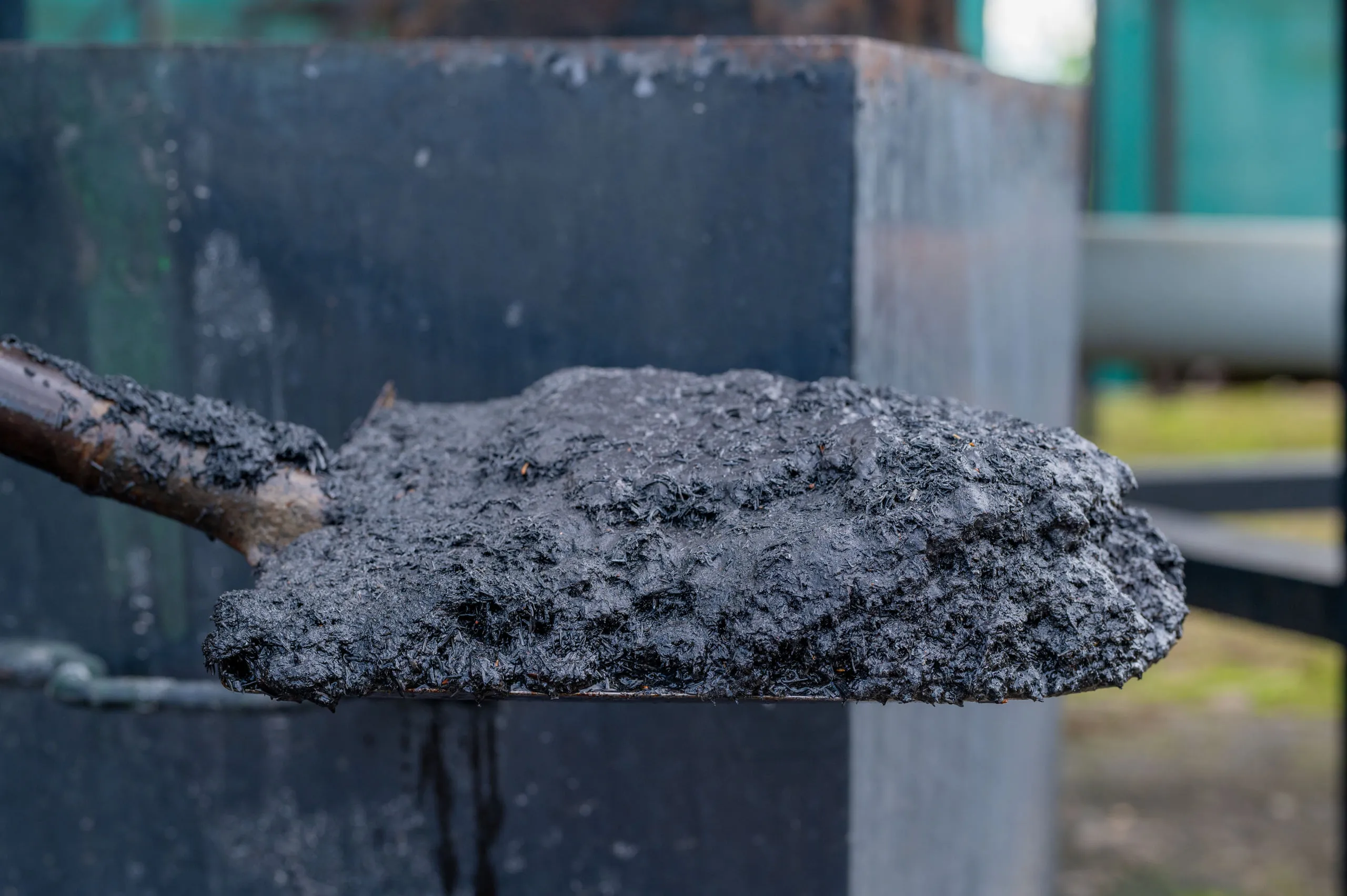
Carbon is held in engineered biochar, a stable form. Our project briefs state permanence as 100 to 999 years.
Carbon removal credits
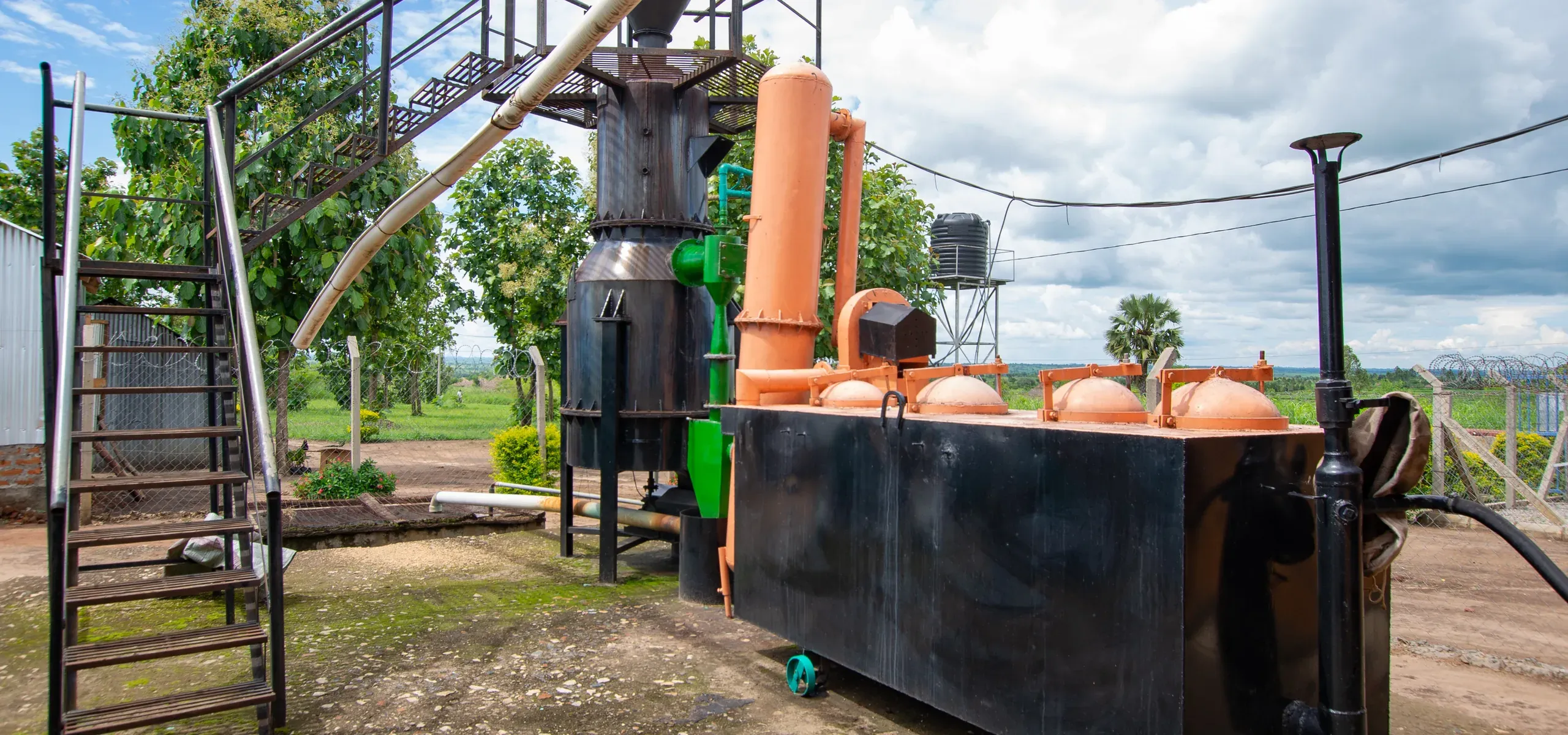
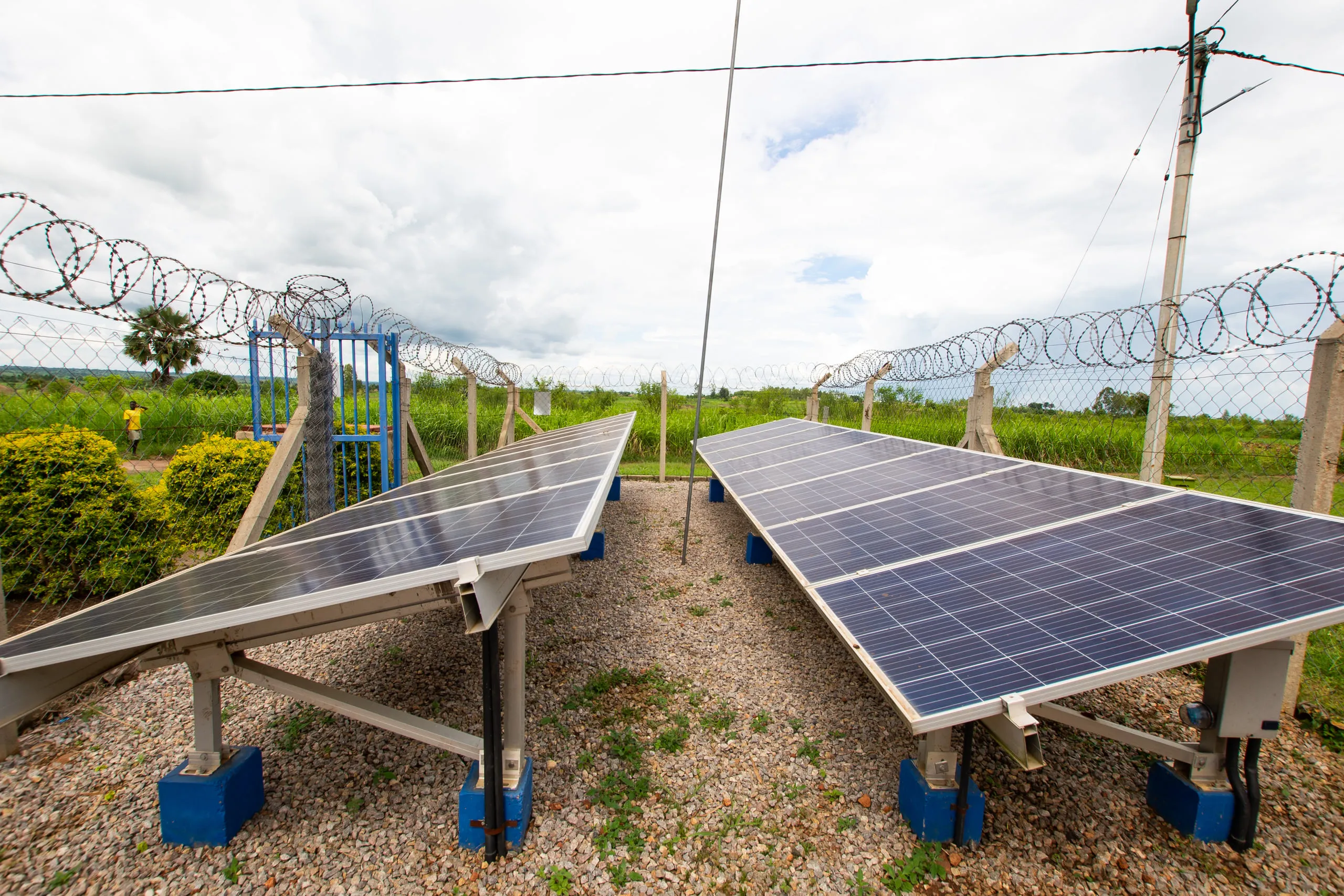
Our credits come from durable biochar produced while generating electricity for rural communities. Every credit is traced from feedstock to issuance and verified independently before it is delivered.
Where to buy
Forward credits are contracted through the partners below, or directly with our team for larger volumes and multi-year offtake. All current inventory is forward, with vintages from 2026, and pricing is by enquiry. Biochar production is planned to continue through at least 2041, aligned to the generation and distribution licensing, as stated in each project brief.

Purchase credits from our current and future project inventory through our market partner.
Buy Direct (opens in a new tab)
Our Northern Uganda project appears on the Isometric registry as coming soon, ahead of certification for issuance. No credits have been issued.
Visit partner (opens in a new tab)
Got Ngur is listed with Rainbow under its biomass carbon removal and storage methodology, with the project design document still in draft.
Visit partner (opens in a new tab)Impact calculator
Enter a purchase size to see which projects would supply it, how long delivery would take, and the outcomes it is modelled to support over that period. The minimum modelled purchase is 15,000 credits.
One credit is one tonne of CO2e. Minimum 15,000 credits. Click the figure to type an exact amount.
Drag the slider, or choose an amount below.
Choose how long you are willing to take delivery over. Credits are issued as projects produce and verify them.
Drag to change the delivery period, from 1 to 40 years.
Carbon removal purchased
15,000 tonnes CO2e
Durable biochar, stored for 100 to 1,000 years.
Fossil emissions avoided
33 to 78 tonnes CO2e
A separate quantity, not added to the removal above. Counterfactual: Unelectrified rural households in northern Uganda self supplying evening light from kerosene wick lamps and candles, plus the small share of households running a petrol generator. The Uganda national grid is not the counterfactual: these are off-grid sites, and the grid is about 89 percent hydro with a published build margin emission factor of zero, so grid displacement would avoid almost nothing.
Carbon removal and emissions avoidance are different things. We report them separately and never combine them into one number.
Delivery
5 years
To deliver in full
2026 to 2030
Delivery window
5
Projects supplying
Estimated issuance by year
Where the credits come from
Northern Uganda Mini Grid and Carbon Removal Project
Pipeline. Delivering 2027 to 2030.
5,674 tonnes
38 % of purchase
Remaining rural mini-grid pipeline
Pipeline. Delivering 2030 to 2030.
3,149 tonnes
21 % of purchase
Bungu Mini Grid
Pipeline. Delivering 2028 to 2030.
2,989 tonnes
20 % of purchase
Got Ngur Mini Grid (scale up)
In financing. Delivering 2028 to 2030.
2,906 tonnes
19 % of purchase
Got Ngur Mini Grid (pilot)
Operating. Delivering 2026 to 2030.
283 tonnes
2 % of purchase
What a purchase this size supports
690
Children with electric light to study by
In the peak year. Range across the delivery period: 180 to 890 children.
1,100
Household connections attributable
In the peak year, based on your share of each project's annual issuance.
approximately 42,000 trees
Tree equivalent
An equivalence used to show scale, not a count of physical trees. Range: 22,000 to 97,000 trees.
This calculator is provided for educational and illustrative purposes only. Figures are modelled estimates, not guarantees. Actual outcomes may vary materially. Nothing here is an offer to sell carbon credits, a forward purchase agreement, financial product advice or investment advice: it is not an offer to sell carbon credits or any other instrument. All carbon volumes are subject to project construction, independent validation and verification, registry listing, buffer pool deductions and final issuance. Carbon removal and emissions avoidance are distinct quantities and are never combined into a single headline number. Tree figures are equivalences used to illustrate scale, not counts of physical trees.
What you are buying
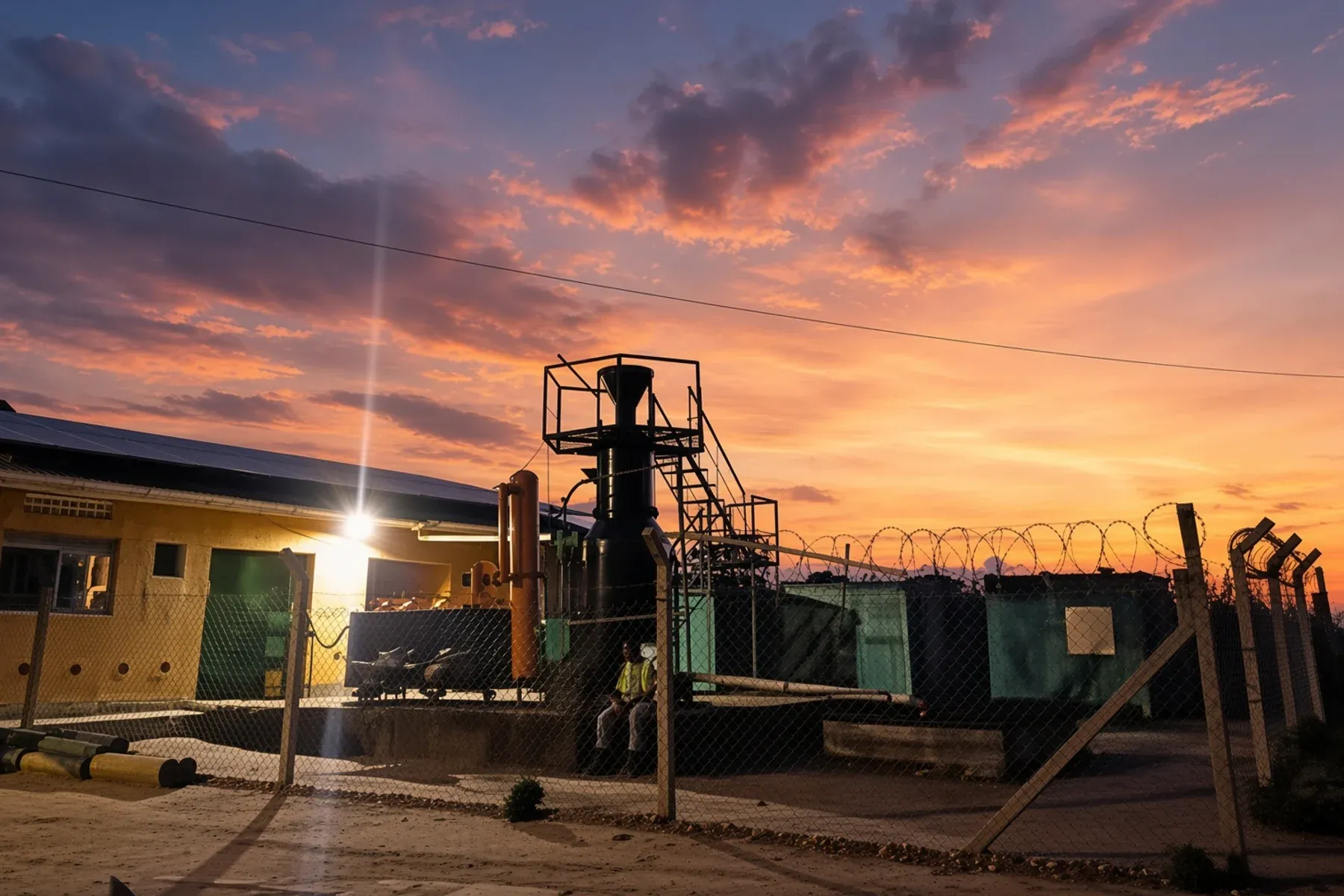
A Mandulis Energy credit is one tonne of CO2e removed from the atmosphere and stored as engineered biochar, produced as a by-product of generating clean electricity.
Durable
Carbon is held in engineered biochar, a stable form. Our project briefs state permanence as 100 to 999 years.
Traceable
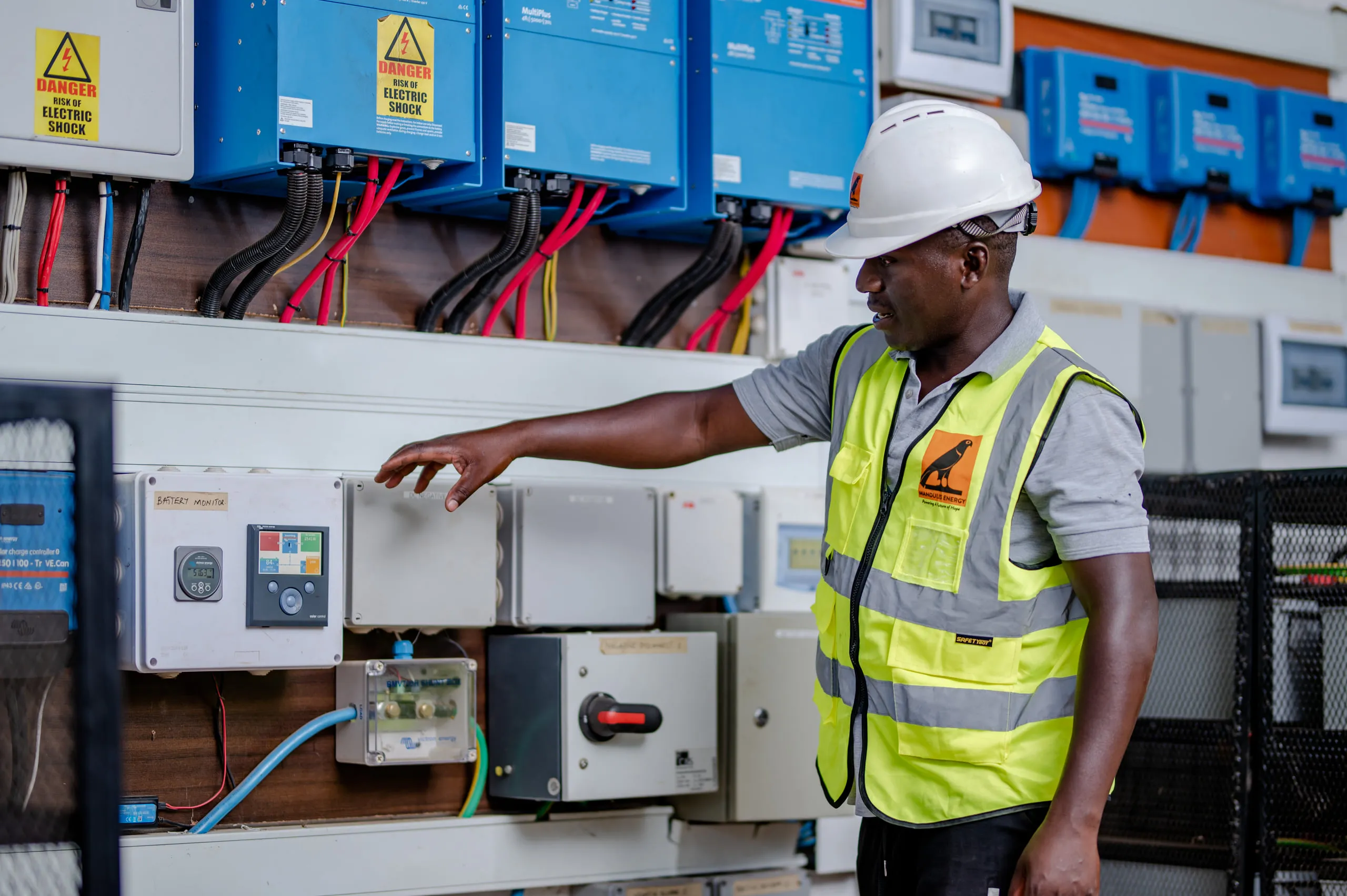
Every feedstock delivery, production batch and lab result is tracked, creating an audit-ready chain of custody.
Verified
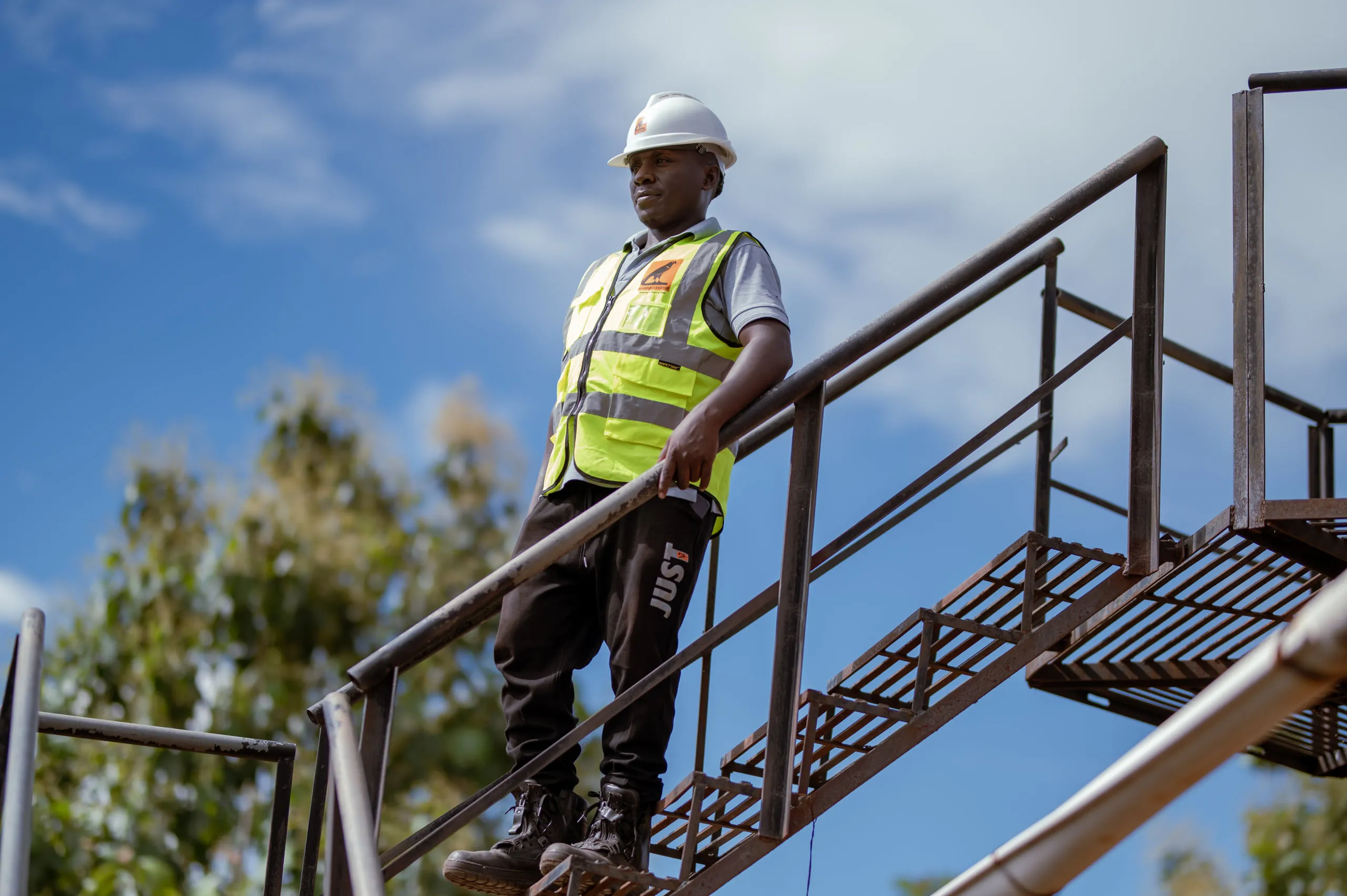
Registries validate the methodology and verify removals before any credit is issued.
For the avoidance of doubt
Company estimates by production temperature, over 100 years at 500 °C and about 1,000 years at 1,100 °C, describe the material.
Carbon removal produced as a by-product of keeping the lights on.
From residue to credit
Nothing is reconstructed after the fact. Each step produces the evidence the next one depends on.
Partner with us
We are happy to walk through the methodology, the monitoring data and what is available from each project.