Skip to content
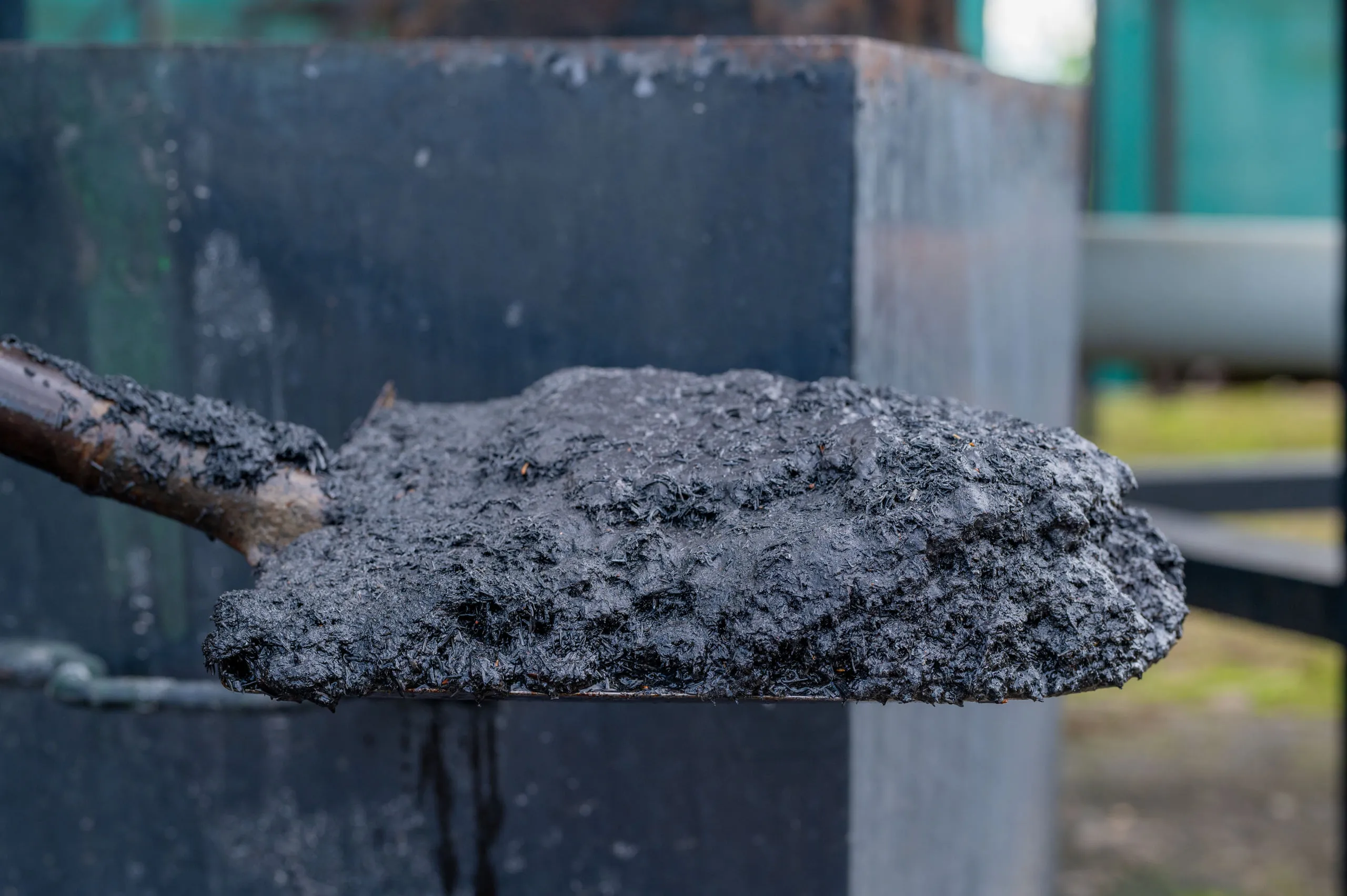
A sample of biochar drawn from the gasifier

Carbon removal

Removal you can follow,
step by step.

We convert agricultural residues into renewable energy and lock the carbon into durable biochar. Every delivery, batch and lab result is recorded, so a buyer can see exactly what sits behind a credit.

Integrity

Trust is built into the process

A carbon removal credit is only as good as the evidence behind it. We build that evidence as we go, from the first delivery of agricultural residue to the moment a registry issues a credit.

Our edge is integration. By combining proven technologies into one efficient system, we deliver 24/7 power while producing carbon removal and green fuel inputs within the same system. This creates multiple revenue streams, stronger economics and deeper impact.

Carbon removal and emissions avoidance are not the same thing, and we never report them as one figure. What we issue is durable removal: carbon captured as biochar and held out of the atmosphere for centuries. Buyers can only rely on that if they can inspect the record behind it, so traceability is designed into the platform rather than added at the end.
Cradle to credit

From residue to verified credit, in six steps

Each step produces evidence, and the next step depends on it. Nothing is reconstructed after the fact.

01/ 06

Sustainable biomass sourcing

Agricultural residues are sourced from approved suppliers under strict sustainability criteria and logged into our system from the start.

02/ 06

Thermochemical conversion

Biomass is converted into renewable energy while locking carbon into stable biochar instead of releasing it to the atmosphere.

03/ 06

Durable biochar

High-quality biochar stores carbon for centuries and supports agricultural and industrial applications.

04/ 06

Digital MRV

Every feedstock delivery, production batch and lab result is digitally tracked, creating a complete and audit-ready chain of custody.

05/ 06

Carbon removal credits

Independent registries verify our data and methodology before issuing high-integrity carbon removal credits that buyers can trust.

06/ 06

Post-application monitoring

Each batch is linked to geotagged application records, with periodic soil sampling and remote monitoring to verify long-term retention and detect reversal risk after the credit is issued.

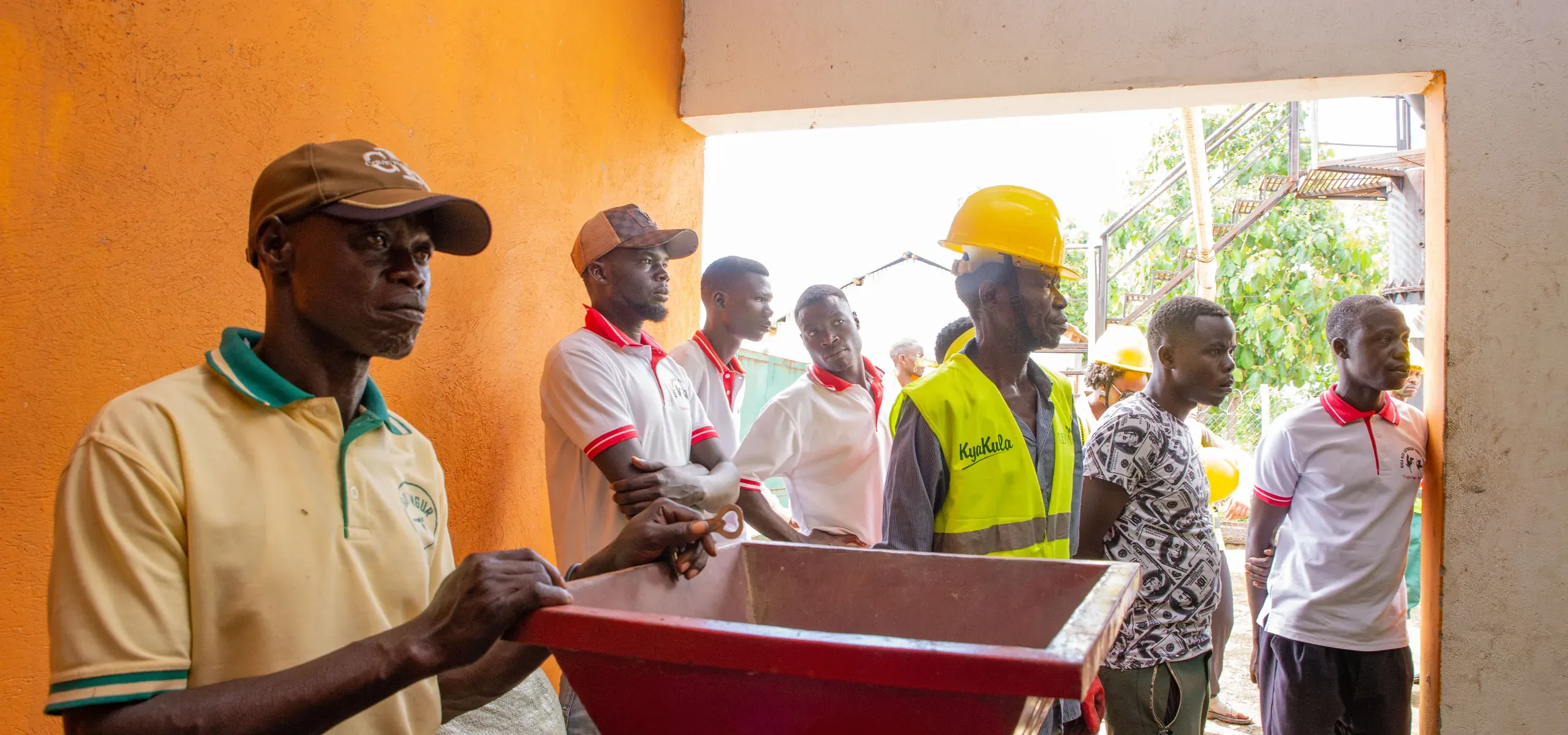
A worker tipping a bin of agricultural residue into the gasifier intake, watched by onlookers
Every feedstock delivery, production batch and lab result is tracked before a credit exists.

What the briefs commit to

The commitments behind the credit

Taken from the project briefs this site serves for download, and scoped to the projects that make them.

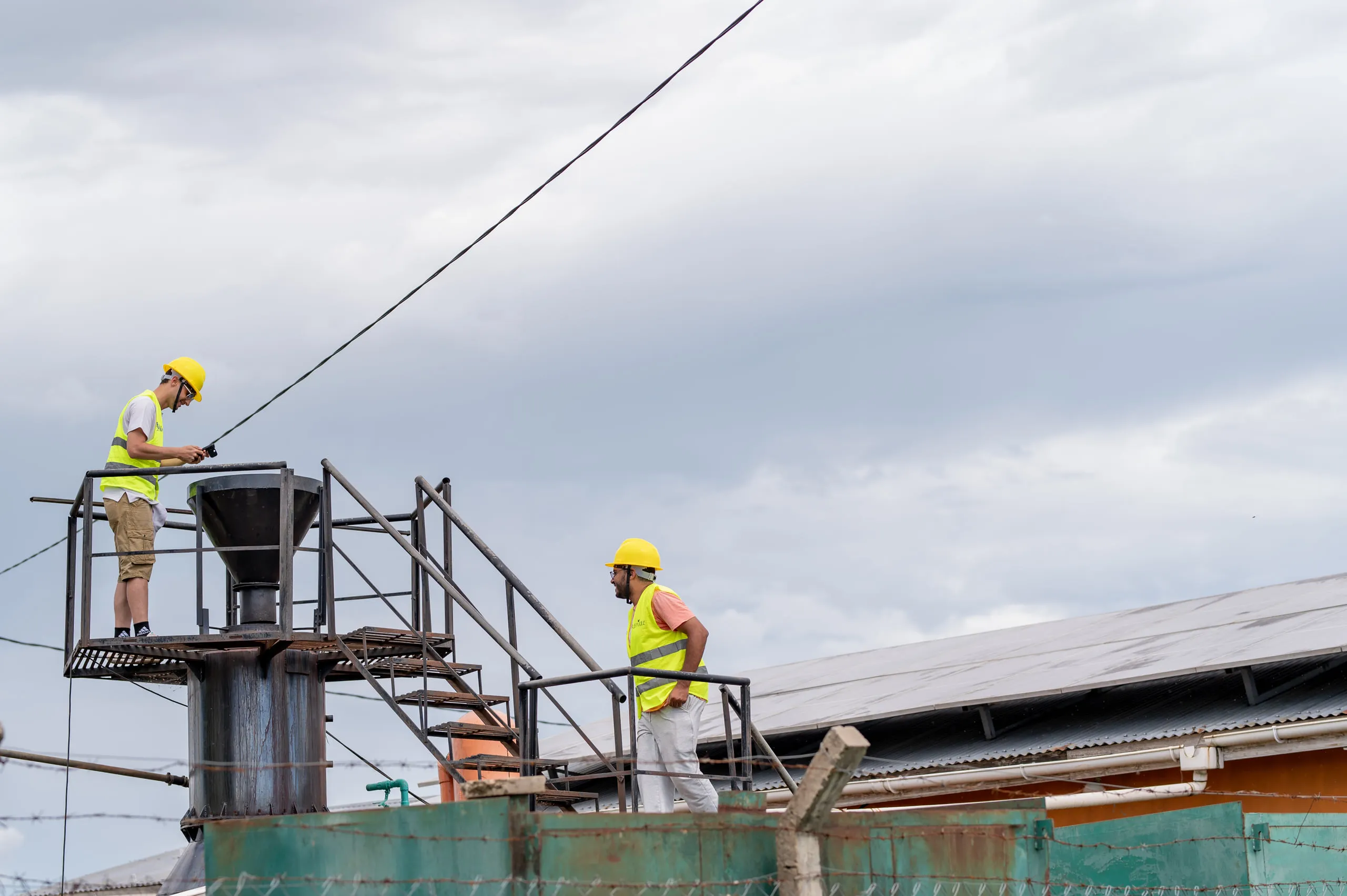
Mandulis Energy workers on the plant structure at Got Ngur

Additionality

Why carbon finance is required

A 2.5 MW hybrid mini grid of this complexity is not financially viable on electricity and fertiliser sales alone. Carbon removal revenue is a required third pillar of the income stream.

Without it, payback over a 20 year financing horizon is too long and risk-adjusted returns fall below what commercial investors will accept, given FX volatility, regulatory uncertainty and the absence of explicit government subsidies for hybrid systems.

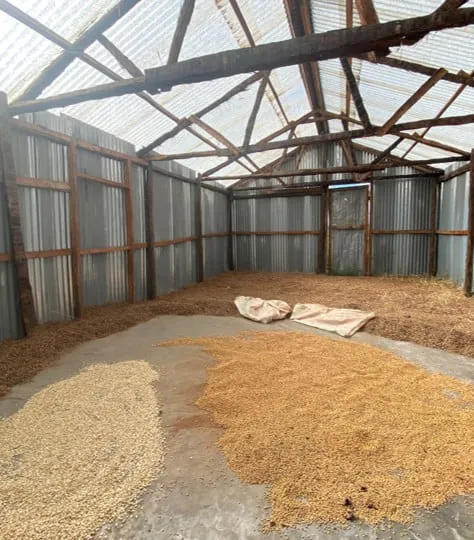
Agricultural residue feedstock stored under cover at the plant

Leakage

Where the feedstock comes from

Our Got Ngur and Bungu briefs commit those projects to agricultural waste biomass sourced within 100 km, verified as residues that would otherwise decay or be openly burned.

The Northern Uganda brief makes a related argument: rice husks and peanut shells have no current productive use in the project area, and only non-field residues are used, so diversion does not displace other activity or cause land use change.

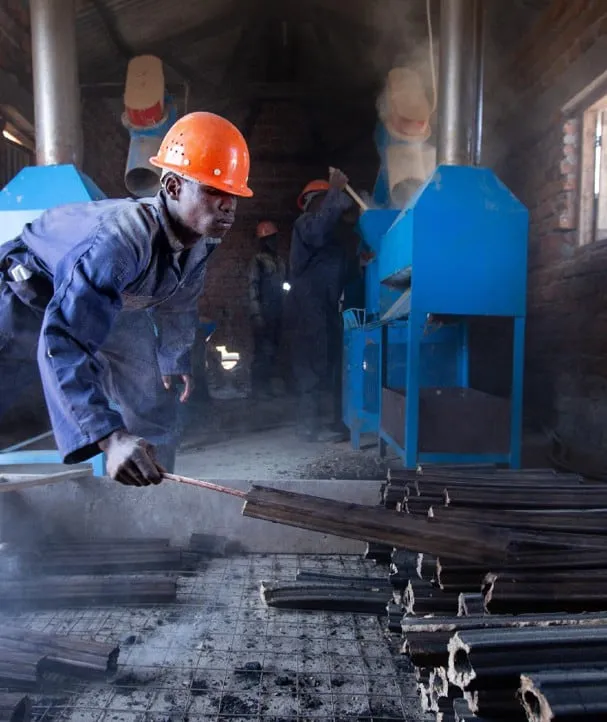
A worker at the pellet production line

Double counting

Counted once

Each project is listed with a single registry, so a tonne removed is counted once.

The Northern Uganda brief states that the project excludes double counting by confirming no participation in other registries and by aligning with Uganda's Nationally Determined Contribution.

Community members at a Mandulis Energy project meeting

Safeguards

Community accountability

For the Northern Uganda project, a third party environmental and social impact assessment is planned before operations begin.

Compliance with labour rights, gender equity and stakeholder engagement is documented, with policies on non-discrimination and grievance mechanisms.

Trust layers

What the integrity rests on

Three capabilities, built and maintained alongside the plant itself rather than bolted on for an audit.

Purpose-built systems

Designed for traceability and quality at every step.

Independent verification

Rigorous third-party review ensures integrity and compliance.

Market access

Connecting verified removals with committed buyers.

Northern Uganda project, as set out in the project brief

How durability is evidenced

Durability basis
The molar H/Corg ratio of each batch, together with soil temperature at the application site, taken from Lembrechts et al. 2022 or on-site sensors.
Laboratory
Batch-based biochar sampling at ISO 17025 accredited laboratories.
Reporting
Quarterly, with continuous instrumentation for gas flows and emissions.
Permanence threshold
Targeting more than 200 years under Isometric Biochar Production and Storage v1.3.

Market partners

Independent parties at every checkpoint

Others hold us to account where it matters most: how project data is captured, how removals are verified, and how credits reach the buyers who need them.

Digital MRV

Offstream

Offstream provides the digital MRV platform that captures, verifies and secures project data from feedstock sourcing to credit issuance. Real-time monitoring ensures transparency and accuracy at every step.

Global market access

Cloverly

Cloverly helps us navigate market dynamics and connect our carbon removal credit inventory with buyers seeking high-quality climate solutions.

Project briefs describe the standard and methodology each project is being developed under. Where a brief says a project is verified under a standard, that refers to the methodology being applied, not to completed third-party verification. Certification and issuance have not yet taken place, and no credits have been issued to date.

Buy removal

Every credit depends on those layers of trust

No single control makes a credit credible. Purpose-built systems, independent verification and market access each carry part of the load, and every credit we issue depends on all three.

Work with us

Talk to us about offtake, verification or a new project.

Discuss carbon credit offtake, project development, investment opportunities and strategic partnerships.