Skip to content
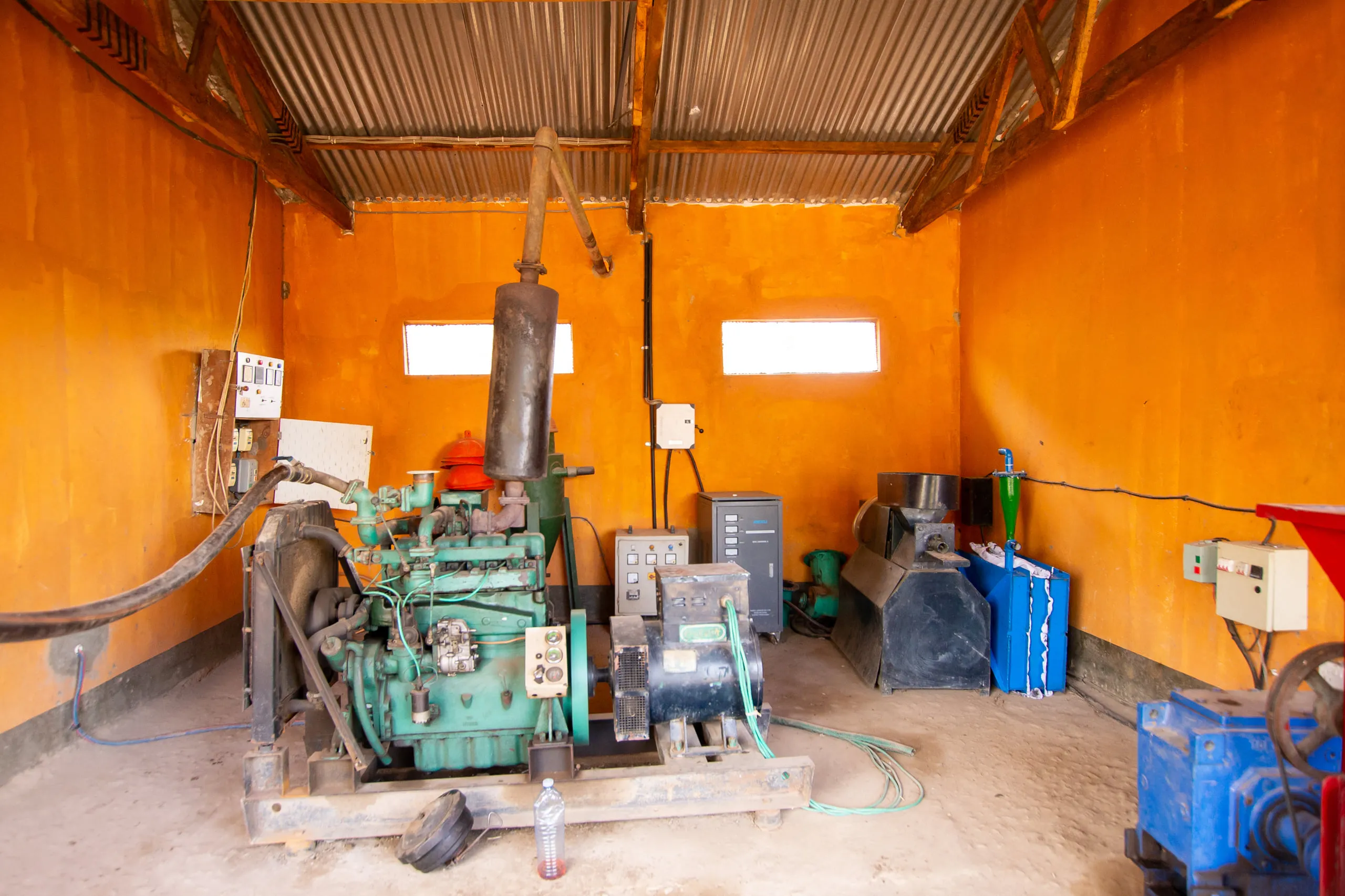
The generation hall at the Got Ngur mini grid

Technology

Power, fuel and biochar
from one system

We design, build and operate hybrid renewable systems that deliver 24/7 power, renewable fuels and durable carbon removal.

Our approach

Proven technologies, combined into one system

Our edge is integration. By combining proven technologies into one efficient system, we deliver 24/7 power while producing carbon removal and green fuel inputs within the same system. This creates multiple revenue streams, stronger economics and deeper impact.

Generation

Hybrid power systems for mini grids

Solar photovoltaics combined with bioenergy from renewable biomass replace diesel generation. The process captures carbon as high-quality engineered biochar rather than releasing it. Mandulis Energy Limited holds an Electricity Regulatory Authority Certificate of Exemption, number ERA/COE/021/205, effective 20 August 2021, authorising the generation, distribution and sale of electricity from the Got Ngur isolated mini grid in Nwoya District. The exemption was made by Statutory Instrument 2021 No. 51 and runs for 20 years and 10 months from publication unless renewed or revoked earlier.

Generation
Solar PV, biomass gasification, anaerobic digestion
Storage and control
Battery storage with smart controls
Availability
24/7 supply
Gasification temperature
More than 1,100 °C, design basis from the Got Ngur and Bungu project briefs
Renewable Energy Certificates
Renewable generation can be certified and sold separately from the electricity itself. Talk to us about RECs.
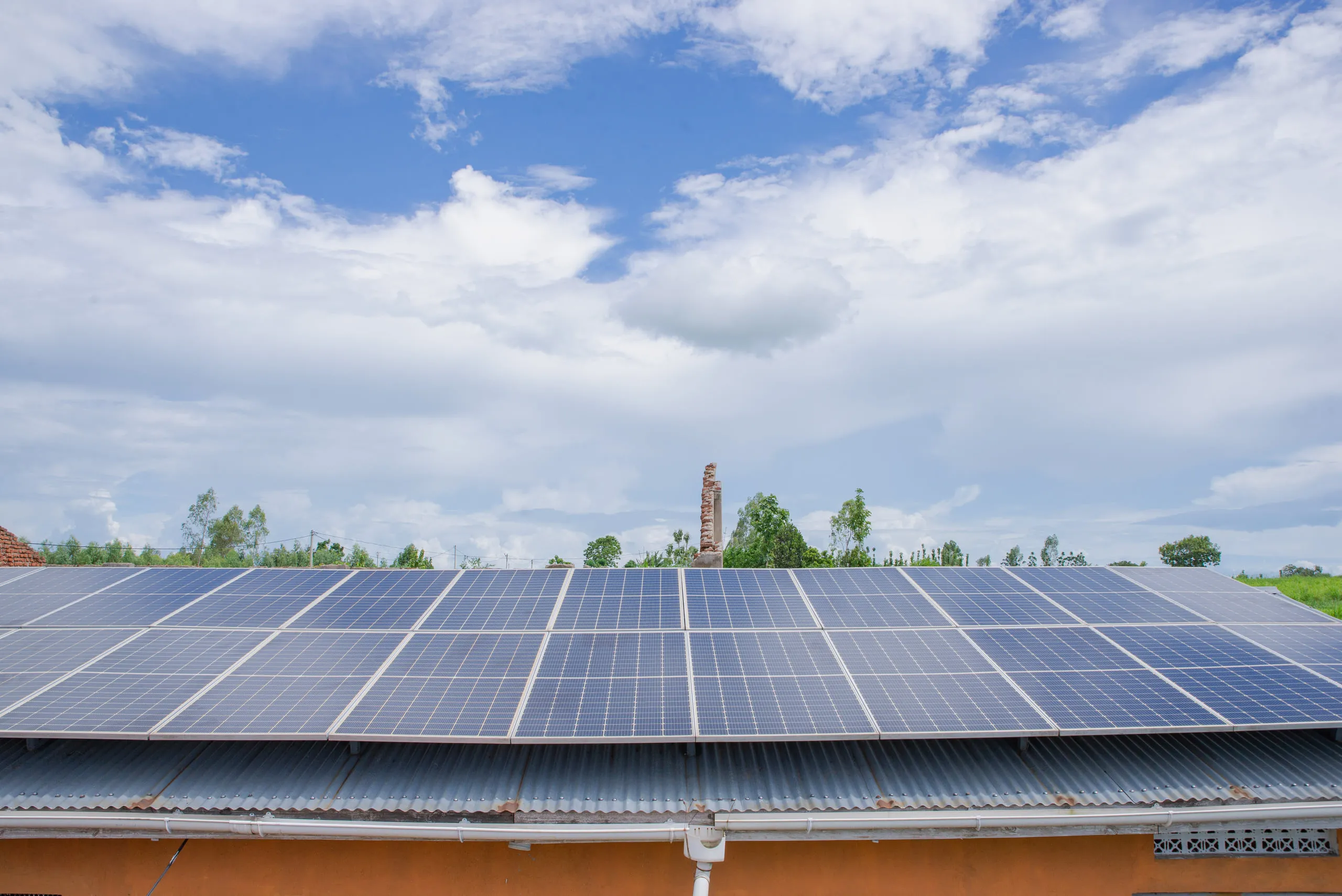
The solar photovoltaic array at the Got Ngur mini grid

Clean cooking

Energy efficient cookstoves

The Tier IV rated gasifier cookstove is UN certified and produces biochar as it cooks, at production temperatures above 500 °C. It offers clean, efficient energy compared with traditional wood fuel stoves.

Rating
Tier IV, UN certified
Biochar output
Up to approximately 0.25 tonnes per stove per year
Service life
Approximately 7 years
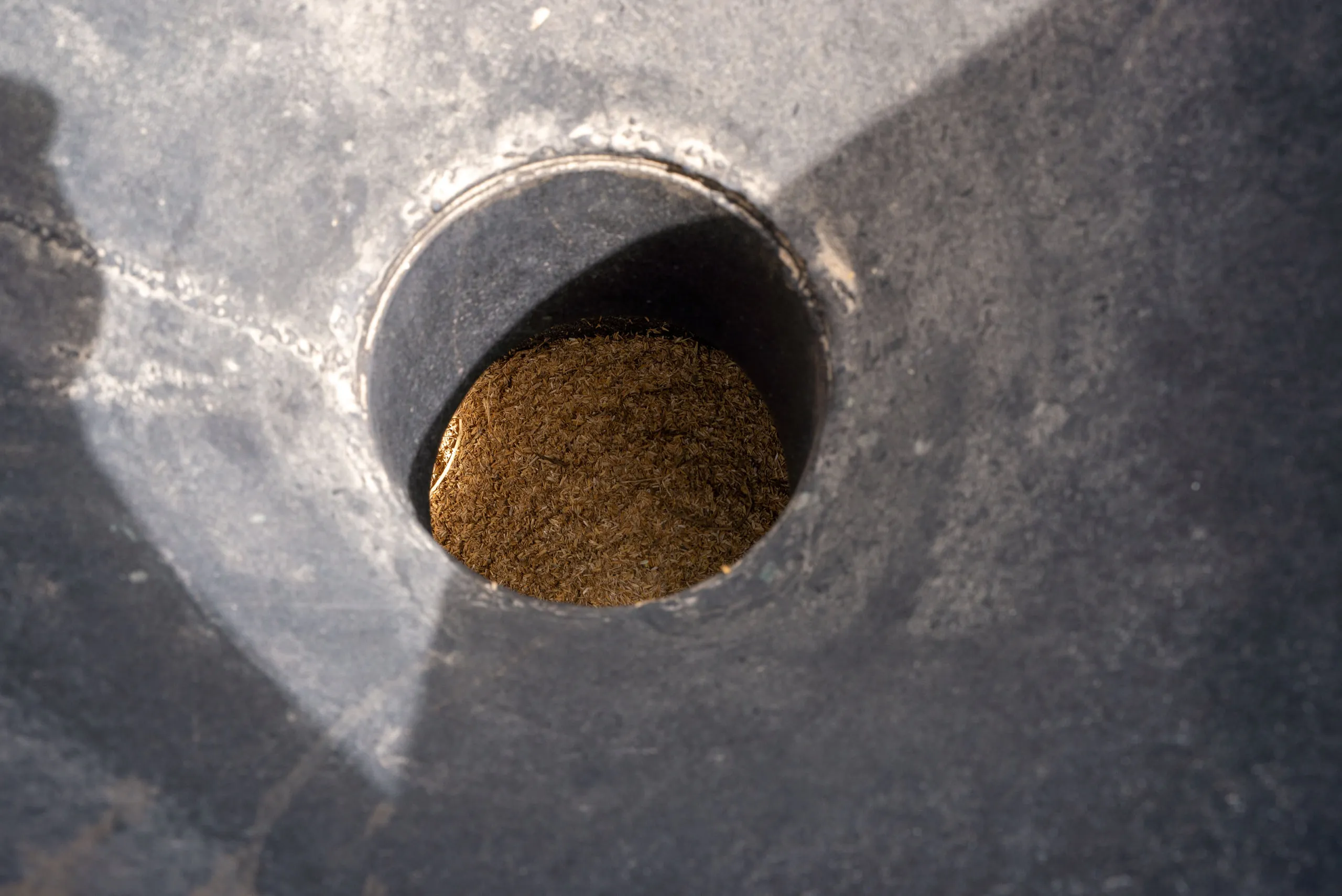
Agricultural residue feedstock in the gasifier hopper

Biomass is converted into renewable energy while locking carbon into stable biochar instead of releasing it to the atmosphere.

Renewable fuel

Kyakula pellets

A blend of agricultural residues including rice husks, peanut shells, coffee husks, maize cobs and sugar cane bagasse, designed to resemble wood so that adoption is straightforward while providing reliable energy density.

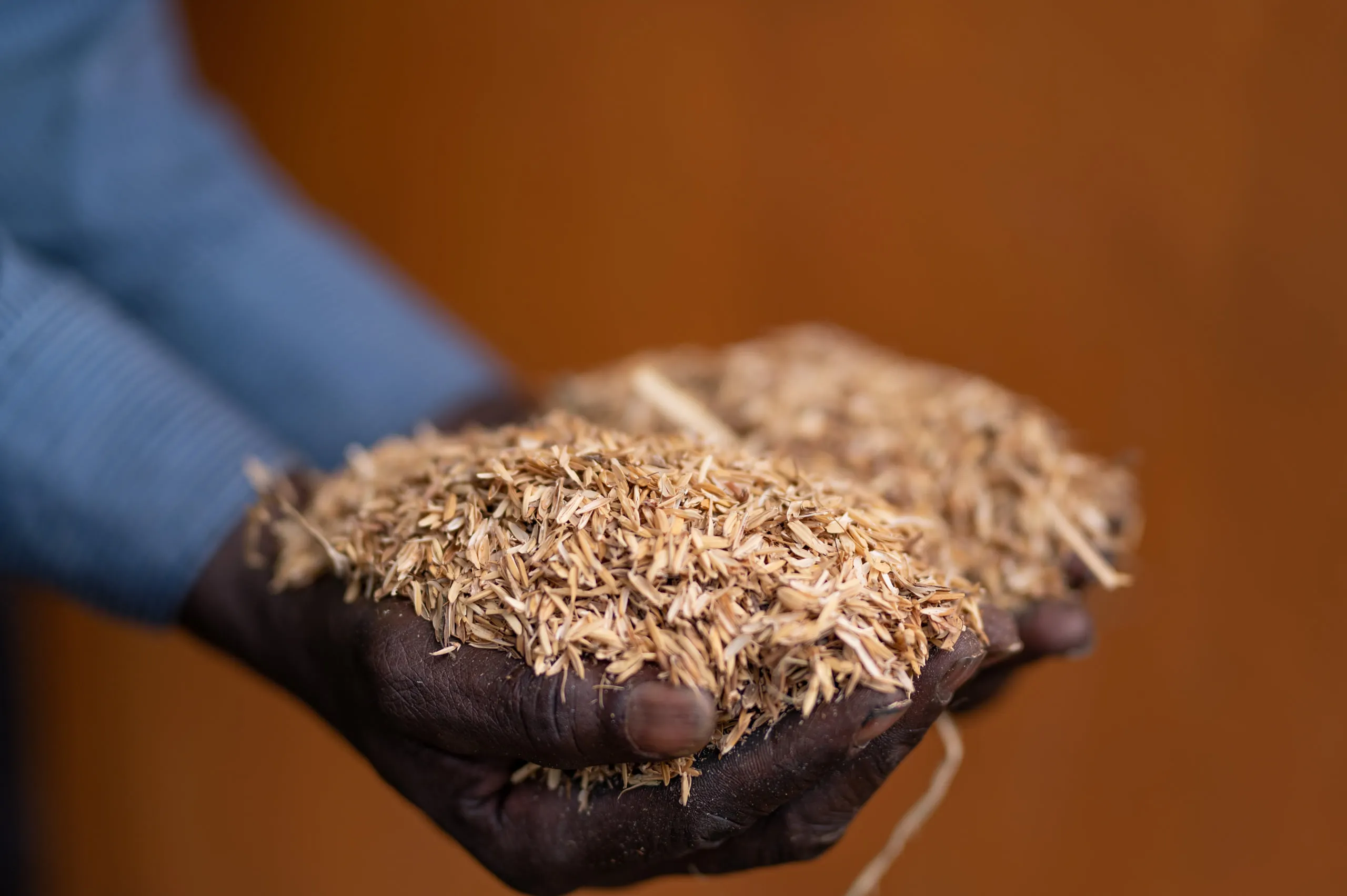
Rice husk feedstock held in cupped hands
Conversion
4:1 pellets to biochar when pyrolysed in a gasifier cookstove
Price
Approximately 25 % less than traditional wood fuels

Carbon removal

Biochar, an energy by-product

Heating organic material in the absence of oxygen through a gasifier produces carbon-rich solid residues known as biochar. It improves soil fertility, water retention and overall soil health when mixed with organic biofertiliser, and can replace sand in cement and concrete. The same capture step can instead yield liquefied CO2 for the cement industry, which is a second route to market for the carbon rather than an alternative to removing it. Blended with digestate bio-slurry it becomes a fertiliser made in the district it is used in, which matters because imported organic fertiliser is both expensive and hard to get hold of in northern Uganda.

Engineered biochar at 1,100 °C
Stable for approximately 1,000 years
Engineered biochar at 500 °C
Stable for over 100 years
Blend
Below 50 percent biochar by volume in the mixed product, a formulation constraint set by the Rainbow Standard methodology and supported by Isometric
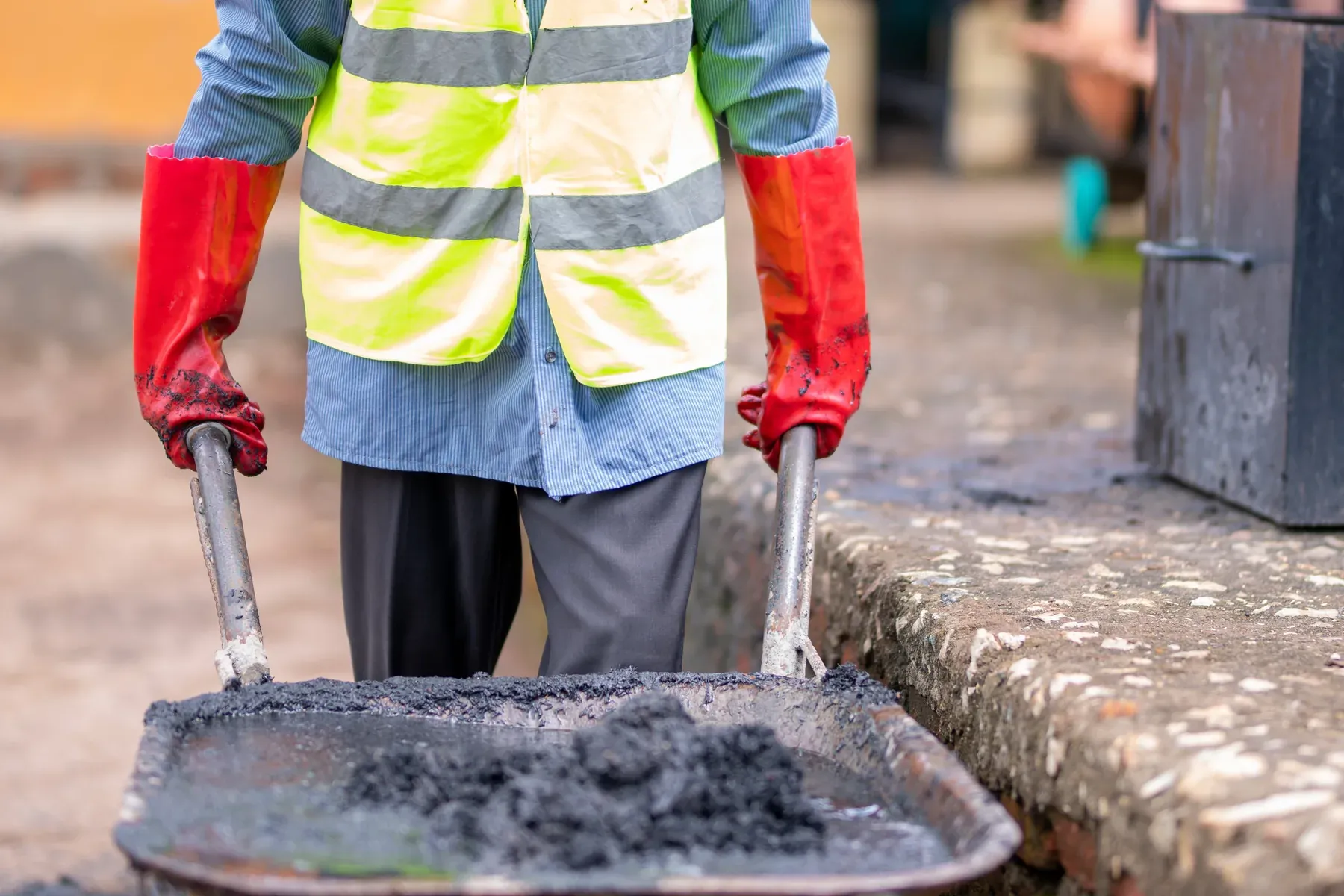
A plant worker in protective equipment moving a barrow of biochar

Work with us

Put this system to work on your site.

Talk to us about project development, technology partnerships and offtake from our carbon removal projects.