Projects
Proven in operation.
Built to repeat.
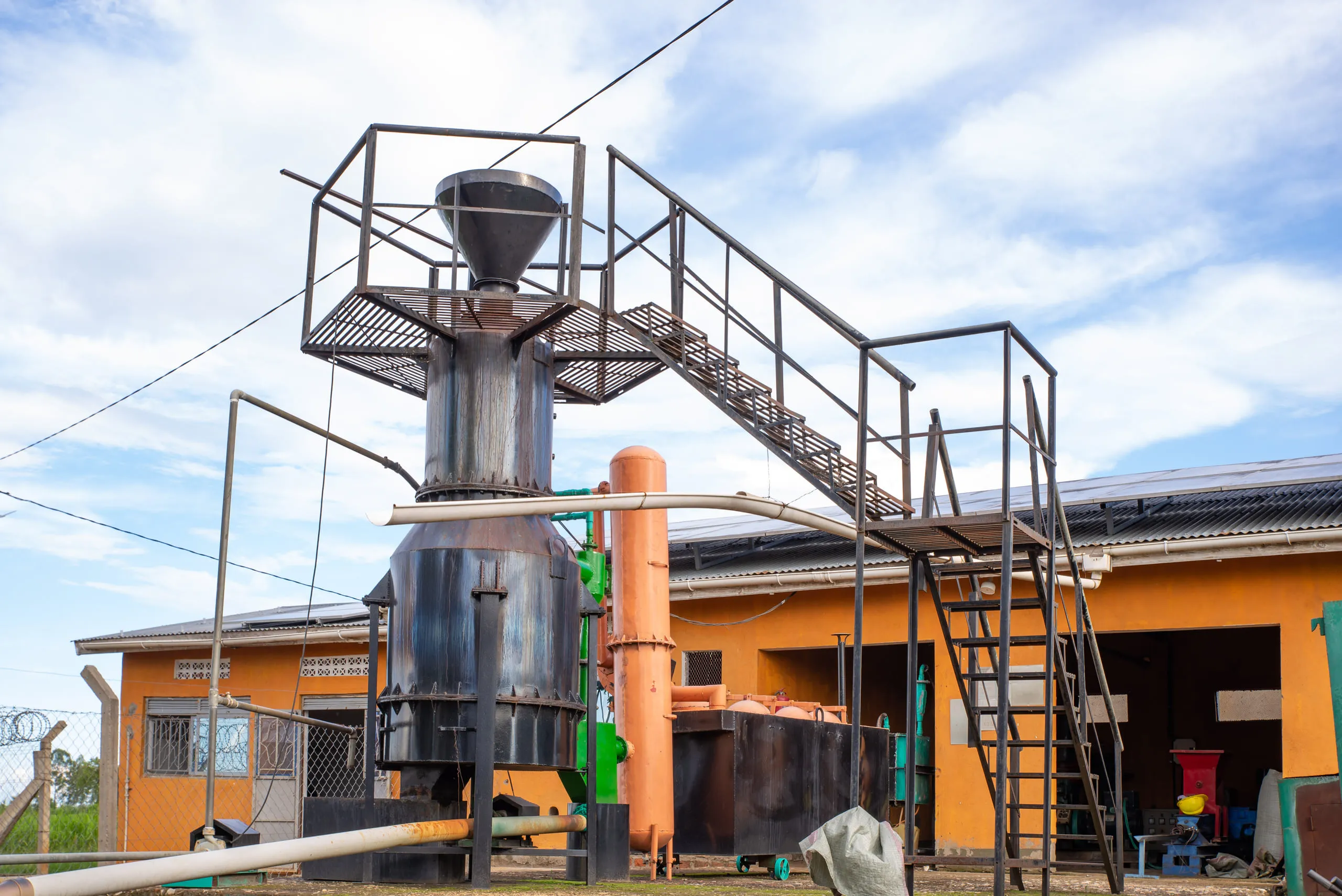
Got Ngur has supplied electricity to the community since 2022. It is where our integrated platform is proven in the field, and the model the rest of the portfolio is built from.
Operating project
Got Ngur Mini Grid
Got Ngur is our first operating renewable energy and carbon removal project. It demonstrates the commercial viability of our integrated platform, is listed with Rainbow under its biomass carbon removal and storage methodology, with the project design document still in draft, and is now scaling to a commercial 2.5 MW facility. No credits have been issued to date.
Location
Got Ngur Village, Nwoya District, Uganda
Operating since
2022
The operating pilot
These are delivered figures, measured at the plant as it runs today.
112kW
Installed capacity
118
Pre-paid meters installed and operating
100tonnes
Biochar produced per year
100tonnes CO2e
Carbon removal per year
PDF. The brief covers the whole Got Ngur project, including the 2.5 MW build, so its tonnages and connection counts are targets rather than the pilot figures above.
U.N. Sustainable Development Goals
- 1 No poverty
- 2 Zero hunger
- 7 Affordable and clean energy
- 8 Decent work and economic growth
- 9 Industry, innovation and infrastructure
- 11 Sustainable cities and communities
- 13 Climate action
- 15 Life on land
Scale up
The commercial scale up
Got Ngur is scaling to a commercial facility. Every figure below is a target for that scale up, not a result the plant has delivered.
2.5MW
Planned installed capacity
The exemption permits up to 2.5 MW installed, giving about 2 MW of output to distribute and sell. 2.5 MW is also the smallest configuration that is financially viable at grid parity tariffs.
Projected
1,000+
Active connections
Projected
3,100+tonnes
Biochar produced per year
Projected
3,500+tonnes CO2e
Carbon removal per year
Projected
Projected figures for a facility that is not yet built. What the pilot delivers today is set out in the section above.
Cumulative results
What Got Ngur has produced so far
Running totals from the operating pilot, counted from the start of the project.
350+
Tonnes of biochar produced
Since project inception
350+
Tonnes of CO2e removed
Since project inception. 100 tonnes CO2e a year over 3.5 operating years, under the Rainbow methodology. All removal, no avoidance.
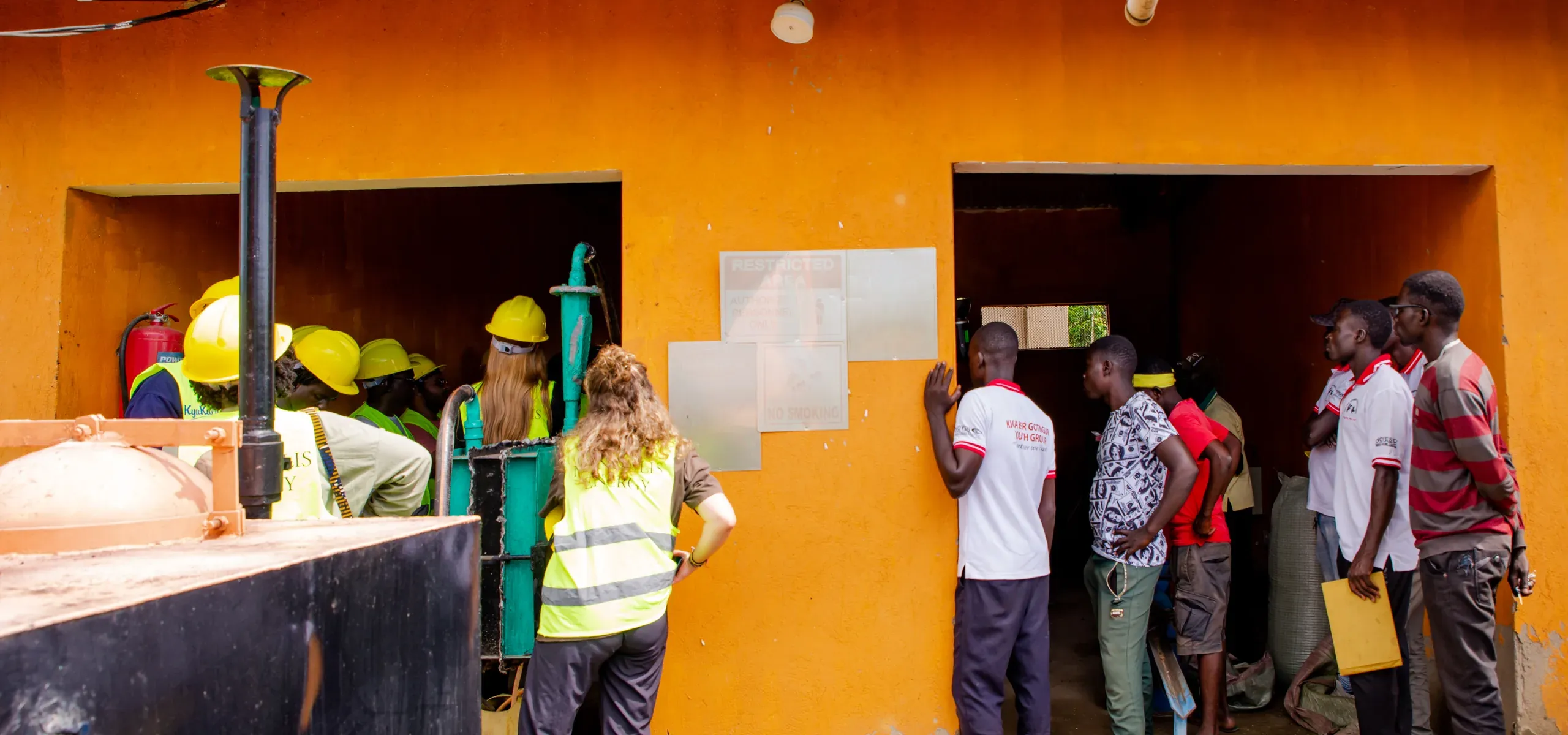
The pipeline replicates the model that already runs here.
Programmes
Programme funded work
Grant and programme funding supports the development work behind the portfolio, from technical reports and site selection to cross-sector demonstration with smallholder farmers.
Current
Completed
More projects
Elsewhere in the portfolio
Beyond the operating pilot and its scale up, the wider development pipeline.
Work with us
Talk to us about the Got Ngur scale up.
Discuss project development, investment opportunities, carbon credit offtake and strategic partnerships.